WASHINGTON (AP) — A powerful congressional committee is urging major telecommunications companies to do more to protect Americans against scams, part of a widening investigation into the role that U.S. companies play in the surge in cyberscams that cost Americans an estimated $200 billion in 2024.
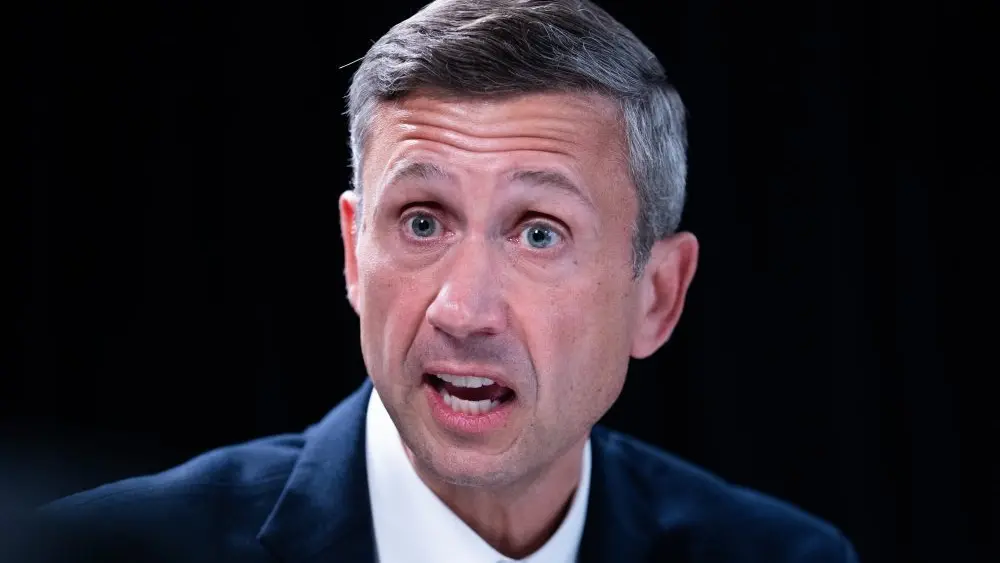
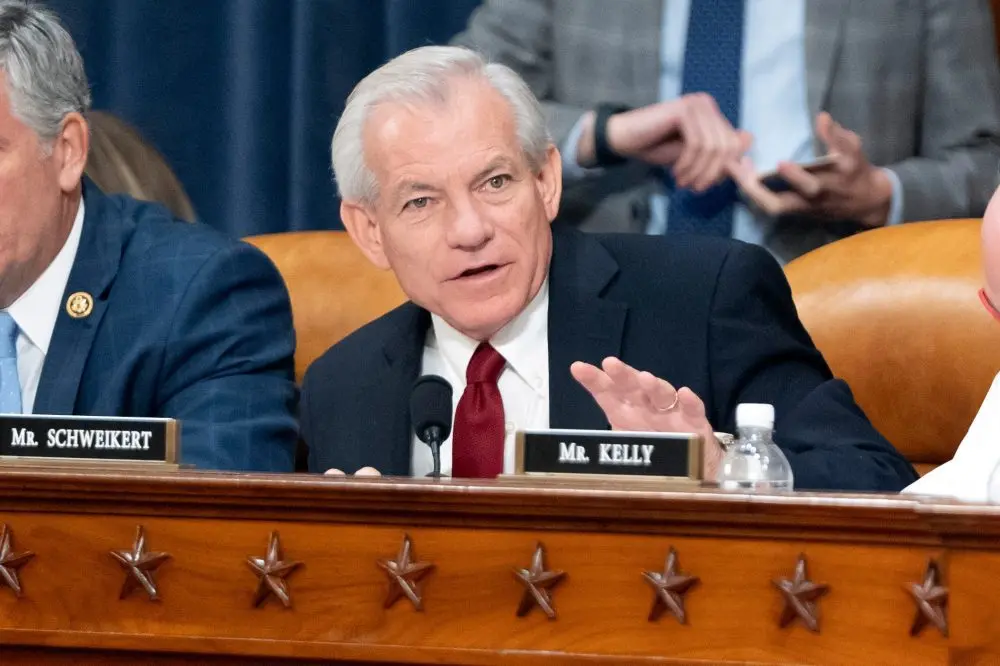
“Consumers need to be able to trust that the calls and texts they receive — from their doctor’s office or their child’s school, for example — are authentic. Scam communications, however, are increasingly difficult to distinguish from legitimate messages, and too much of the burden of detection is falling on customers,” Rep. David Schweikert, R.-Ariz., the chairman of the Joint Economic Committee, and Sen. Maggie Hassan, D.-N.H., the committee’s ranking member, wrote in a detailed request sent to AT&T, Verizon and T-Mobile on Wednesday evening.
The committee is seeking information about the companies’ efforts to collect data, monitor for scams and cybercrime, and take action against bad actors.
The scrutiny comes amid growing concern in Washington about the explosion of scams targeting U.S. citizens. Congress has also been scrutinizing Elon Musk’s Starlink satellite service, online dating sites, artificial intelligence companies, data brokers and a range of federal agencies about their roles in and response to cyberscams.
It’s not the first time Washington has tried to tackle robocalls. Through the 2019 TRACED Act, Congress and the Federal Communications Commission required large carriers to implement caller ID authentication technology to combat caller ID spoofing and make it easier for law enforcement to identify bad actors.
But the problem has persisted, leaving Americans vulnerable to highly organized translational crime.
Wireless providers blocked 55 billion spam and scam robotexts in 2024 and flag or block 45 billion scam calls a year, according to industry group CTIA. But unwanted messages and calls continue to break through, in staggering numbers.
Americans received more than 50 billion robocalls in 2025, according to YouMail, a robocall blocking company. Spam texts surged to more than 19 billion a month in 2024, according to RoboKiller, another anti-spam company. Text messages and phone calls were the first and third most commonly reported ways scammers targeted victims last year, according to Federal Trade Commission data.
Josh Berc, senior vice president of policy at USTelecom, an industry association, said companies work to protect consumers by tracing back scam calls, disrupting illegal activity and supporting government investigations and law enforcement.
“Scam prevention requires a coordinated, inter-industry approach and our sector remains committed to strengthening partnerships that protect consumers,” he said in an email to The Associated Press.
Some telecom companies are seeking to turn anti-scam work from a cost center to a source of revenue, through, for example, premium call-filtering services and branded caller ID, both available for a fee.
Consumer advocates say stronger incentives are needed.
“Companies will not go far enough until they actually do feel some type of liability,” said Eden Iscil, senior public policy manager at the National Consumers League, “Some financial incentive that really pushes them to go as far as they can to protect consumers.”
—-
This story is part of an ongoing collaboration between The Associated Press and FRONTLINE (PBS) that includes an upcoming documentary.
—-
Contact AP’s global investigative team at Investigative@ap.org or https://www.ap.org/tips/.
Brought to you by www.srnnews.com