By Michael Erman
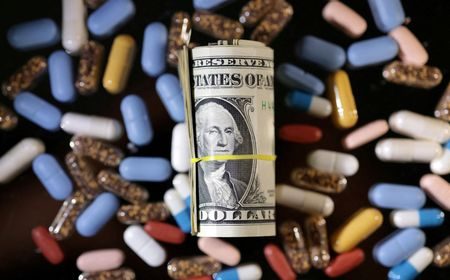
SAN FRANCISCO, Feb 11 (Reuters) – Some pharmaceutical companies not targeted by President Donald Trump for agreements to lower their U.S. drug pricing are looking to craft their own deals in an attempt to avoid potentially onerous tariffs and new price-setting schemes, according to six industry sources.
Two lobbyists and other industry sources say that companies have begun reaching out to contacts at the White House and the Centers for Medicare & Medicaid Services to try to create their own deals. They did not disclose the names of those companies.
“The Trump administration of course wants to negotiate deals that meaningfully lower drug prices for American patients with every pharmaceutical company,” White House spokesman Kush Desai said in an email.
The administration has not communicated to companies how they can potentially proceed if they did not receive a letter from Trump, one industry source said.
Companies are concerned in particular about new pilot programs that could set prices for Medicare drugs in large parts of the country, industry sources said. Those programs would require manufacturer rebates for drugs paid for by the Medicare health plan for millions of Americans age 65 and over if U.S. prices exceed international levels.
COMPANIES THAT DID NOT STRIKE DEALS
So far, 16 of the largest drugmakers including Pfizer and Eli Lilly have already struck deals with the government after receiving directive letters from the Trump administration instructing them to cut prices. But many companies, including around half of those represented by the largest pharmaceutical lobby group, PhRMA, have not yet been contacted.
Bayer Global Head of Pharmaceuticals Stefan Oelrich said in an interview that he expects companies like his that did not receive letters from Trump will be given the opportunity to strike similar deals to their competitors.
“Otherwise that would be very odd, that only because you have size that you would get different treatment,” he said.
Some smaller companies have formed their own industry lobby group called the Midsized Biotech Alliance of America in part to advocate against the new price-setting schemes. The 11 companies that have joined that organization include Alkermes, BioMarin, Incyte and Alnylam.
“There’s a large group of companies that don’t have a deal and what are they left with?” Sanofi CEO Paul Hudson told reporters at the JP Morgan Healthcare Conference in San Francisco in January.
According to Hudson, the nature of the deals, which some companies have said exempt them from future government price-setting initiatives, could make it hard for the government to offer similar options to smaller companies.
“It’s very difficult to deliver 30, 50, 80 deals from here. There may just be a sort of catch-all offer from the government or something to try and manage it a certain way,” said Hudson, who is set to take over as chairman of PhRMA later this year.
AVOIDING PRICE SETTING IN MEDICARE
U.S. patients currently pay by far the most for prescription medicines, often nearly three times more than in other developed nations.
The deals that the large drugmakers signed committed them to lowering prices on drugs sold in the U.S. Medicaid program for low-income Americans. Analysts have noted that the impact will be mitigated by the fact that Medicaid accounts for only 10% of U.S. drug spending and has price discounts exceeding 80% in some cases.
But drugmakers that do not have deals would be subject to Medicare pilots – called GLOBE and GUARD – that would introduce most-favored-nation-style pricing in the much larger Medicare program, bringing those prices in line with the lower prices paid outside the U.S.
One concern is that some smaller drugmakers have licensed their drugs to international companies for sale overseas, where partners have no incentive to raise their prices, potentially forcing the U.S. companies to slash prices for Medicare.
Another concern of mid-sized drugmakers is that they have fewer products to make deals with compared to larger companies, meaning that they may not have lower-revenue drugs to sacrifice.
“A lot of them are very worried that… they’re going to get stuck with what the bigger guys did that works for them and doesn’t work for the mid-sized guys,” one pharmaceutical industry lobbyist said.
(Reporting by Michael Erman; editing by Caroline Humer and Bill Berkrot)
Brought to you by www.srnnews.com