SACRAMENTO, Calif. (AP) — The top official at a California agency running the state’s long-delayed bullet train project is taking a leave of absence after he was arrested earlier this month over allegations of domestic violence.
Ian Choudri, CEO of the California High-Speed Rail Authority, was arrested Feb. 4 in the city of Folsom outside Sacramento, according to police Lt. Lou Wright. The Folsom Police Department did not share additional details on the episode.
The Sacramento County District Attorney’s Office did not press charges against Choudri or ask him to appear in court, his lawyer Allen Sawyer said. Choudri chose to take “a few days” away from his job, Sawyer said.
“While my client appreciates that this legal matter has been thoroughly evaluated, his family needs time to privately process and heal,” he said in a statement. “He remains committed to his work, and this short absence will also give the board space to independently review the conclusions of the legal process.”
The county district attorney’s office, California High-Speed Rail Authority and state transportation agency didn’t immediately respond to emailed requests for comment.
Choudri’s arrest came to light this week after KCRA-TV in Sacramento first reported it.
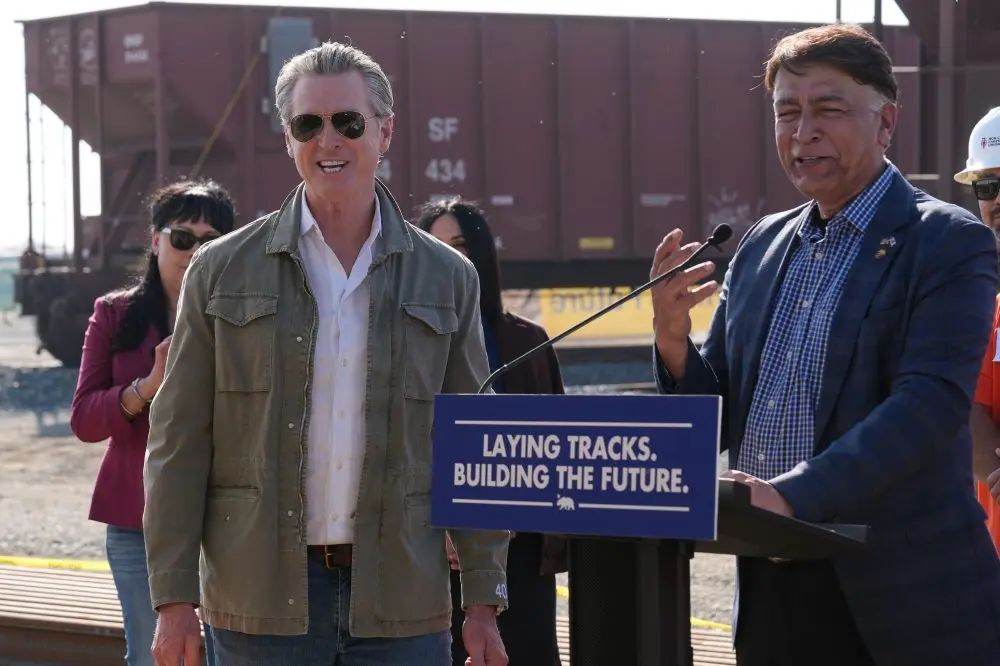
The rail authority appointed him to the post in 2024 after he’d worked on high-speed rail systems in Europe. Choudri has been tasked with reinvigorating the nation’s largest infrastructure project amid skyrocketing costs and the withdrawal of federal funding by the Trump administration.
The project’s goal is to connect riders between San Francisco and Los Angeles.
Choudri told The Associated Press last year that he wanted to get involved with the project to “completely turn it around” and stabilize its funding. He’s been trying to partner with the private sector to help fund the project.
Democratic Gov. Gavin Newsom and state lawmakers last year approved $1 billion annually for the project through 2045 from revenues the state receives from its cap-and-trade program, which aims to reducing planet-warming pollution from large emitters.
California voters first approved $10 billion in bond money in 2008 to cover about a third of the estimated cost with a promise the train would be up and running by 2020. Years past that deadline, the authority has said the project could now cost upwards of $120 billion.
___
Associated Press writer Olga R. Rodriguez in San Francisco contributed to this report.
Brought to you by www.srnnews.com