By Laila Kearney and Tim McLaughlin
Jan 29 (Reuters) – The risk of U.S. power outages is worsening due to a changing mix of electricity supplies and rapidly growing demand in the winter months, the North American Electric Reliability Corporation said on Thursday.
Before the end of the decade, the Mid-Atlantic, Midwest, Northeast and Texas regions may be at high risk of power supply shortfalls, the regulator said in its long-term assessment, NERC said.
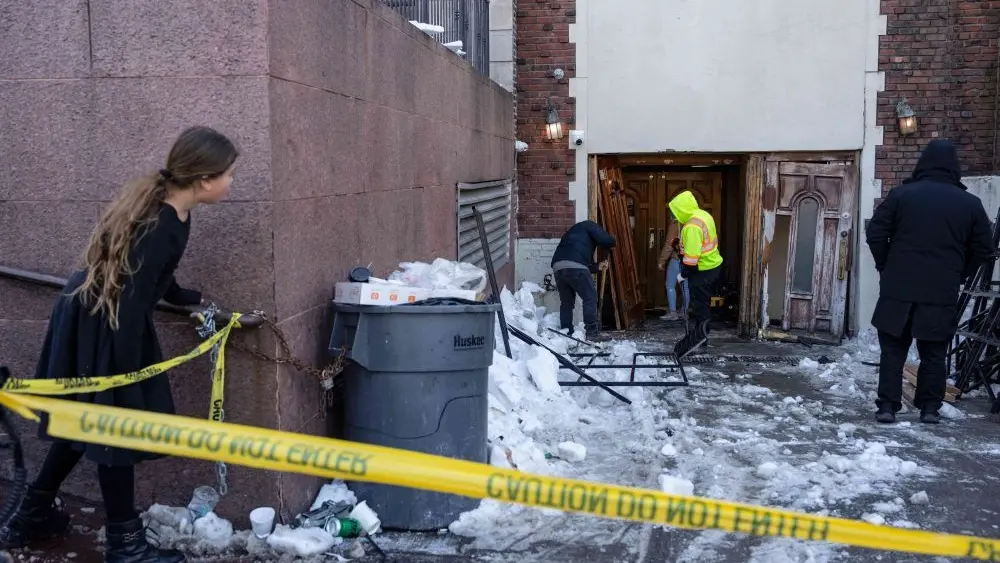
A winter storm this week knocked out power to more than 1 million U.S. homes and businesses at one point, as electrical systems struggled with high winds and prolonged freezes.
The coldest months of the year are expected to pose an increasing challenge to the power grid, NERC said in its long-term assessment. That is partially because of the rapid addition of solar-powered energy, which performs best in the sunny summer, and the electrification of heating systems.
The report projected that electricity demand in the U.S. and Canada over the next decade will surpass peak demand of the past 20 years, said NERC, which is an independent regulator of the U.S. and Canadian bulk power system. Winter peak demand is expected to grow by 245 gigawatts over the upcoming decade. One gigawatt is enough to power about 750,000 homes.
While U.S. power demand largely peaks in the summer, the growth in winter peak demand is outpacing growth in summer demand as more heating systems electrify. Overall rising projected demand is largely being driven by data centers.
Power reserve margins are expected to shrink in many of the regions as rising demand outstrips new supplies, according to the assessment.
NERC’s assessment, which is evolving, uses data and other information, from mid-2025.
In PJM Interconnection, which is the largest regional grid in North America, the supply reserve margin is expected to fall to about 14% in 2030 from nearly 30% this year, based on last year’s data. In the Midwest U.S. grid, MISO, reserves are expected to fall to 4% from 11% over the same period.
(Reporting by Laila Kearney in New York and Tim McLaughlin in Boston; Editing by Cynthia Osterman)
Brought to you by www.srnnews.com